

Anyone living on the West Coast of BC who has attempted to dig a hole in the ground for a fence post or drainage line knows the irritations of digging around roots. These intricate networks of tenacious tentacles work their way into the pathway of most ground projects. As frustrating as they may be to us, they are the life-giving support that sustain the life and growth of the tree above.
Recently in my studies I was given a question to reflect on and answer, “What is the root of the gospel?” Our mandate as Christ followers is to share the “good news” of the gospel with others; to invite them into the truths and the promises that come when we put our hope and trust in Jesus as our Lord and Saviour. The core that gives power to this good news is the life, death, and resurrection of Jesus Christ. But what is at the root of the core, the root of the gospel?
Before we can answer that question, we need to know what the gospel is. The word gospel translated from “euangelion” means good news, it is the news or message of God’s salvation for his people. Salvation is the rescue from sin and death.Full of grace and mercy it is the reconciliation and restoration of a once beautiful and trusting relationship between God and his people.
We all live in a world that has been affected by the power of sin. Sin is the “bad news” that tries to overshadow the message of the good news or gospel. For the good news to outshine the bad, its roots must be grounded deep into a life-giving source. So, what might this be?
The root of the gospel, this good news is LOVE.
John 3:16 is probably one of the most well-known Bible verses that describes this incredible love that the gospel is rooted in. “For God so loved the world that he gave his one and only son, that whoever believes in him shall not perish but have eternal life.”
This verse captures the message of the gospel in a few short yet powerful words and presents love as the catalyst that ties the events of Jesus’ death (the core) to God’s incredible love (the roots) for the world He created.
God’s love for us is incomprehensible on a human level. The world has defined love in so many ways that many have dismissed the power and truth of God’s love for them. God’s love for us needs to be the love we reflect to others so that they will see and know him. As stated previously our mandate as Christ followers is to share the gospel. As the gospel is rooted in God’s love, then we are to love others just as he loves us. Easy to say or write, hard to do sometimes.
When the root (God’s love) of the gospel takes hold in our lives, when we accept that what Jesus did for us through the cross, our sins are forgiven and our relationship with God is made right. Our lives should reflect that change. How do we share the good news with love? 1 John 3:18 says “let us love not with words or speech but with actions and in truth”.
We have all heard the term “actions speak louder than words” before. God proved his love to us through the action taken on the cross through Jesus. Knowing that the gospel is rooted in love what action(s) can you think of that will see those roots grow into the lives of others?



 If you are a photographer, light is a big deal. In order for a camera to record the perfect picture, the light has to be just right. Astronomers can find and focus in on a pinpoint of light from hundreds of thousands of miles away and discover the intense beauty if its origins. The soft glow of a night light can bring an incredible sense of comfort to a young child struggling to sleep in the middle of the night. Science has studied the effects of light on almost every aspect of life and continue to discover its incredible power. Simply put, light provides life.
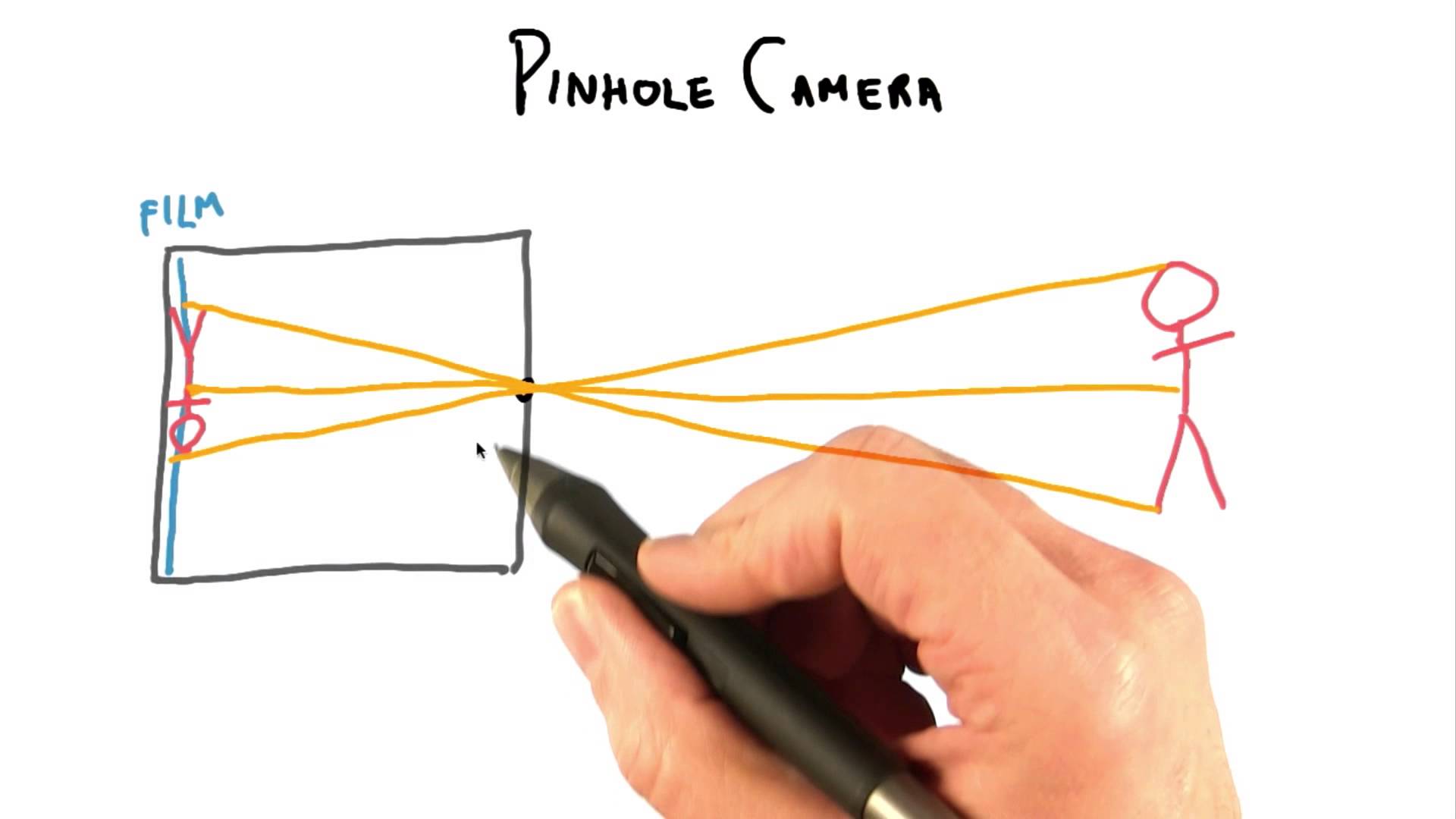 Have you ever used a pinhole camera? The pinhole camera is one of the most basic cameras you can construct with only a few materials. This simple camera works on a basic principle of light and dark, how a small amount of light shining into a dark box through a hole made by a pin can create an image, an image of something much larger. The pinhole acts as a lens similar to that of a regular camera only on a much smaller scale.
 steveworkingthroughtheword.com